Koh Samui Elephant Sanctuary: How to Judge One Yourself
Every Koh Samui elephant sanctuary calls itself ethical. Here are the questions that actually sort them, what no-riding really means, and what a visit costs.
May · September 3, 2026
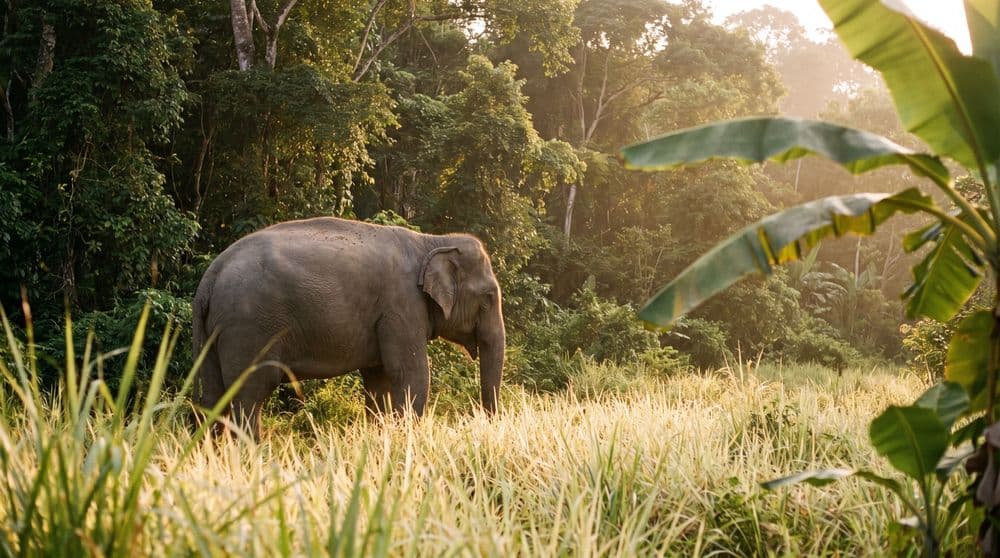
Search Koh Samui elephant sanctuary and every result tells you it is the ethical one. The sanctuaries say it. The booking sites say it. The resort selling you the transfer says it. Nobody advertises the other kind, which is precisely why the word is useless to you as a shopper.
So we are not going to rank them. We live here, we are not vets, and one morning's visit does not qualify anybody to grade an animal's life. What we can do is hand you the questions the people who study this actually use, and tell you plainly what is on the island.
The word "sanctuary" means nothing on its own
World Animal Protection puts it about as bluntly as a charity can: a venue may call itself a sanctuary, a rescue centre or a retirement home, and you should not assume any of that means high welfare. Nobody licenses the word. It is marketing copy, and it is free.
Carry their survey numbers with you. Across 236 venues holding 2,849 elephants, they found two in three kept in poor conditions, more than half chained on short chains every day, 42% still used for rides, and one in five living at venues that put on shows. That is the industry your ticket money walks into. Parts of it are better than other parts. None of it is a wildlife documentary.
The four questions that actually sort them
Can you touch them? World Animal Protection's line is to only visit venues where you can look, not touch. Riding, bathing and hands-on contact all need an elephant trained into compliance, and the training is the part nobody puts on a website.
Are they behaving like elephants? Moving where they want, eating for most of the day, largely ignoring you. An elephant doing anything on cue is an elephant that was taught to do it.
Are there babies? Avoid places where calves are on display or available to handle, especially away from their mothers. A genuinely elephant-friendly venue should not be breeding at all. A baby is the strongest draw in this business, which is what makes one a warning rather than a bonus.
Where are the hooks? A bullhook should not be in use outside a real emergency, and mahouts should keep their distance rather than working the animals at close quarters. A visitor to one Samui sanctuary described a resident elephant with a hole through her ear, left by handlers at the riding camp she was rescued from. That is what the equipment does, and why its absence is worth checking.
What "no riding, no bathing" actually means here
Every one of these places leads with no riding. Treat that as the floor, not the ceiling, though with 42% of venues in that survey still offering rides, clearing even that bar counts for something.
Bathing is the more useful test, because it still separates them. Samui Elephant Sanctuary publishes an actual list of what it does not do: riding, shows, bathing, mud bathing, trunk hugging, elephant kisses, sitting or lying on the elephants, and large crowded groups. Samui Elephant Kingdom states a hands-off bathing policy and has guests watch the mud baths rather than climb in. Samui Elephant Haven says it does not do riding or bathing either. Read the specifics page, not the banner. The word ethical is on all of them and the detail underneath is not.
Now the part none of the marketing volunteers. Look, do not touch, taken literally, rules out hand-feeding too, and feeding is the core product at every one of these places. A fully hands-off Koh Samui elephant sanctuary, in the purest sense, is not on the menu here. The nearest thing to a structural answer is Samui Elephant Kingdom's skywalk, a 400-metre elevated walkway you feed the herd from, which at least puts the humans above the elephants instead of around them. We would rather flag that gap than pretend the island has closed it.
If you are weighing this as an animal question generally, Pig Island puts you in front of the same argument with lower stakes and a shorter boat ride.
What it costs and what three hours really looks like
Samui Elephant Sanctuary publishes its prices, which makes it the easiest to quote honestly. Its Bophut site charges 3,000 baht for adults on the three-hour program and 1,500 for children five to eleven, under-fives free. The 1.5-hour express is 2,000 and 1,000. Its Chaweng Noi site runs the same three-hour at 2,900 and 1,400. Transport, a vegetarian meal, drinks and insurance are included, no deposit is taken, and you pay cash in baht on arrival, one more line on the long list of things here that quietly do not take a card. At the other end, Elephant Jungle Sanctuary Samui advertises a one-hour feeding visit from 1,500 baht.
Three hours is not three hours of elephants. Sessions run 9am to noon or 2pm to 5pm, and a solid share of that is your transfer, the briefing, chopping fruit and eating your own lunch. Budget it as one of the more expensive mornings this island sells and put it in your trip costs on purpose.
Where each Koh Samui elephant sanctuary actually is
Samui Elephant Sanctuary runs two sites: 15 rai at Bophut with seven elephants, and 40 rai in Chaweng Noi with eight. The Chaweng Noi one is the closest thing on this list to a neighbour of ours, which is a strange sentence to get to write. Samui Elephant Haven is also at Bophut, open since August 2018, with 14 rescued elephants. Samui Elephant Kingdom is over on the west coast at Lipa Noi, on the same 9am and 2pm sessions.
So: the north and the west. Stay in Bophut and two of them are close. Everyone else gets collected, transport is in the price, and that removes the one good reason to be on a scooter that day. Under-fives go free, so they clearly expect families, but whether three hours in the heat suits your particular child is a separate question, and things to do with kids here has shorter answers if the honest one is no.
Quick answers
Which elephant sanctuary in Koh Samui is the best?
Nobody who has spent one morning at each can honestly tell you, and most people answering it online are selling something. Use the four questions above instead.
Is the elephant sanctuary in Koh Samui really ethical?
It depends where you draw your line. Several here have dropped riding, shows and bathing and publish that in writing, which puts them above the industry average World Animal Protection describes. But by the strictest standard, hand-feeding counts as contact, and every venue on Samui offers feeding. No riding, no shows, no bathing: several clear that bar publicly. No human contact at all: none of them do.
How much does it cost to visit an elephant sanctuary in Koh Samui?
Samui Elephant Sanctuary lists 3,000 baht for adults on its three-hour Bophut program, 1,500 for children five to eleven, free under five, and 2,000 for the 1.5-hour. Its Chaweng Noi three-hour is 2,900. Elephant Jungle Sanctuary Samui starts from 1,500 baht for one hour of feeding.
Can you go without booking?
No. Samui Elephant Sanctuary requires advance booking and confirms your hotel pickup by email. Large crowded groups are on its list of things it does not do, so turning up hopefully is not a plan.
Is it worth it?
If you are going for a photo of yourself hugging an elephant, no, and the better places will not give you one anyway. If you want three hours watching very large animals eat startling quantities of fruit while somebody explains where each one came from, it is one of the more worthwhile things this island sells. Take the early session and come back to a quiet afternoon in Chaweng Noi instead of stacking something on top of it.
The Villa
Come stay above the bay.
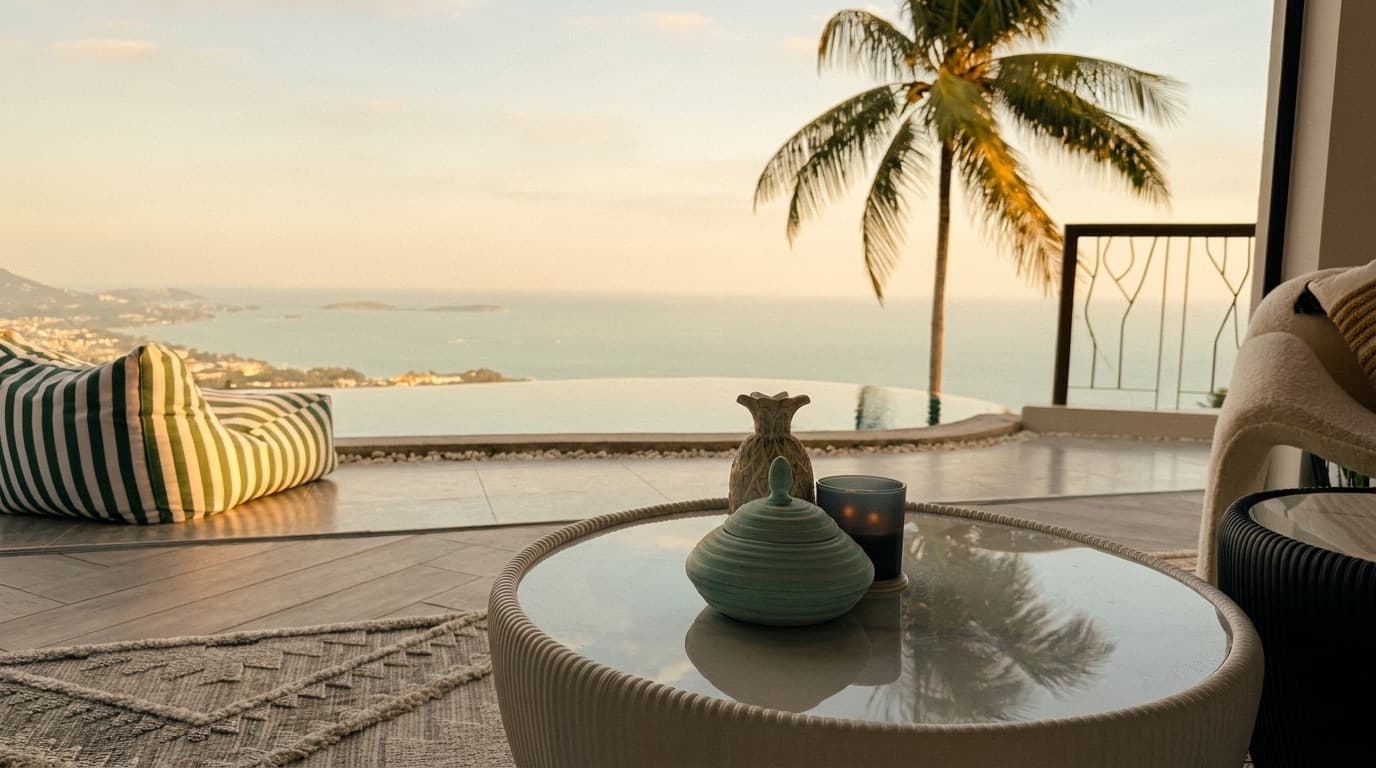
Sabai Sabai is a three-bedroom villa on the cliffs above Chaweng Noi, with an infinity pool and the whole Gulf of Thailand below.
See the villa →Written by
May
Living in the sunshine