Renting a Scooter in Koh Samui: License, Cost, and Is It Actually Safe
The honest guide to renting a scooter in Koh Samui. What you legally need, what it actually costs, the passport-deposit trap, and whether it's really safe.
May · August 7, 2026
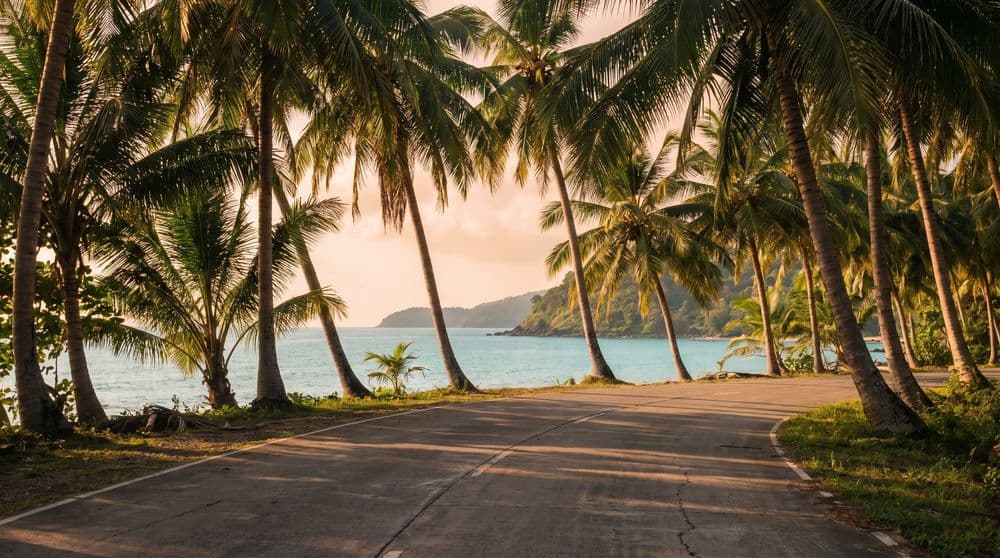
Every shop on this island will rent you a scooter today, right now, for less than the price of a nice lunch, no questions asked. That's the whole problem with renting a scooter in Koh Samui. It's the easiest transaction here, and one of the few genuinely dangerous ones. Before our own guests get on two wheels, we walk them through what it legally takes, what it actually costs, the passport trick half the shops try, and whether it's actually safe. Here's the honest version, not the one written by someone trying to rent you a bike.
Do you even need one?
Not always, and it's worth asking before you spend the money. Chaweng Noi is quiet enough to walk a good chunk of, and taxis and songthaews handle the basics fine, all covered in our guide to getting around Koh Samui. But if you actually want to see the island, Hin Ta and Hin Yai, Na Muang, the far side of Lamai, a scooter is how you do it without paying a driver every single day. Our own seven-day itinerary assumes you've got wheels of some kind for at least part of the trip.
What it legally takes
This is the part almost nobody selling you a scooter mentions, because it isn't in their interest for you to walk away. To legally ride here you need two things at once: a motorcycle-endorsed license from home, not a car-only one, plus an International Driving Permit that translates it. Turn up with a UK or US car license and no motorcycle endorsement and you're riding illegally, whatever the shop lets you sign. Thailand's own embassy guidance is blunt: visitors are required by law to hold an international driving license to drive here, car or motorcycle. Police do run checkpoints in tourist areas, and if you're stopped they'll want the IDP, your passport, and your home license shown together. Ride without the right paperwork and you also void whatever insurance the bike came with, which matters more than it sounds like it should.
What renting a scooter in Koh Samui actually costs
Price scales hard with the size of the bike. A basic automatic like a Honda Click or a Scoopy runs somewhere around 150 to 350 baht a day, less again if you book by the week. Step up to something like an N-Max or an ADV 160 and you're closer to 350 to 500 baht a day. Go bigger, a T-Max or an X-ADV, and you're into four figures. For pottering around Chaweng Noi and the beaches, the cheap end does the job. Nobody needs a 750cc bike to reach Hin Ta and Hin Yai.
The passport trap
Somewhere on this island right now, someone is handing over their passport as a scooter deposit. Don't be that person. It's a common ask from smaller operators, and just as common for a few of them to later invent damage and hold the passport hostage until you pay up. A legitimate shop takes a cash deposit instead, roughly 1,000 to 5,000 baht for a small scooter and more for something bigger, refunded on the spot when you bring the bike back in one piece. Before you ride off, film a slow lap of the bike on your phone: every scratch, the fuel gauge, the odometer. It takes ninety seconds and it's the only leverage you'll have if someone tries it on later.
Is it actually safe?
Here's the number that should sit with you for a second. Thailand has one of the highest road death rates on earth, and the World Health Organization's own figures put motorcyclists at over eighty percent of all Thai traffic deaths. That's a national number, not a Koh Samui-specific one, but the roads here, single-lane coastal stretches, blind headland bends, songthaews swinging wide U-turns without much warning, are exactly the kind that catch people out. Most foreigners who come off a scooter here aren't drunk or reckless. They're riding a bike they've never handled, on the wrong side of a road they don't know, wearing a helmet someone told them was optional.
It isn't optional. Helmets are a legal requirement, full stop, and plenty of travel insurance policies exclude motorbike injuries unless you've specifically added the cover, so check yours before you ride, not after an ambulance is already involved. If this holiday is your first time on a scooter, this island is a genuinely bad place to learn. Hire a small car instead, or stick to taxis for a couple of days and build your bearings before you commit to two wheels. And if you already know two wheels aren't happening, pick a base you can walk and the whole question disappears.
Our honest take
If you're staying somewhere quiet like Chaweng Noi, you don't need a scooter on day one. Walk the beach, get your feet under you, work out which side of the road you're supposed to be on before you're doing it at speed with a headland coming up. Rent once the island stops feeling unfamiliar, not the moment you land. For everything else about getting here in the first place, our guide to reaching Koh Samui covers flights and ferries.
Quick answers
Do you need a license to drive a scooter in Koh Samui?
Yes. You legally need a motorcycle-endorsed license from your home country plus an International Driving Permit. A car-only license doesn't cover it, whatever a rental shop tells you at the counter.
How much does it cost to rent a scooter in Koh Samui?
A basic automatic scooter runs roughly 150 to 350 baht a day, cheaper by the week. Bigger bikes cost more, running into four figures a day for the largest models.
Can foreigners rent scooters in Thailand?
Yes, plenty of shops will hand you the keys without checking your license or IDP at all. That's a different question from whether you're doing it legally, or safely, and it's exactly how people end up riding without valid insurance.
Do you need a scooter to get around Koh Samui?
Not always. Taxis, songthaews, and walking cover a lot of Chaweng Noi. A scooter earns its keep once you want the far side of the island on your own schedule.
The Villa
Come stay above the bay.
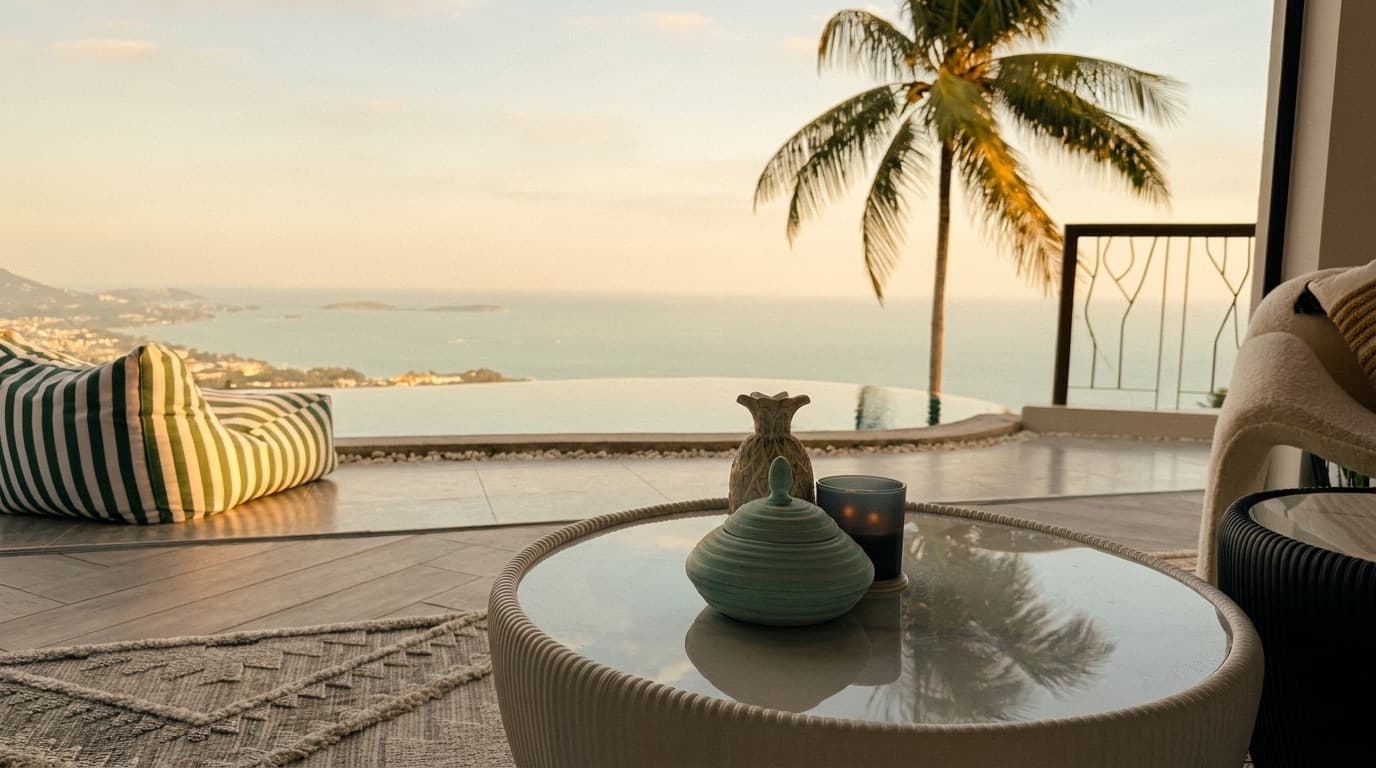
Sabai Sabai is a three-bedroom villa on the cliffs above Chaweng Noi, with an infinity pool and the whole Gulf of Thailand below.
See the villa →Written by
May
Living in the sunshine